NTK Cutting Tools

Home / FSW Tool / FSW TOOL

Advances in ceramic cutting technologies have opened new possibilities in friction stir welding. NTK is committed to delivering innovative value to FSW applications.

Delivers high performance in friction stir welding of high‑melting‑point metals, while enabling significant cost reductions compared with conventional tools.
What is FSW (friction stir welding)?

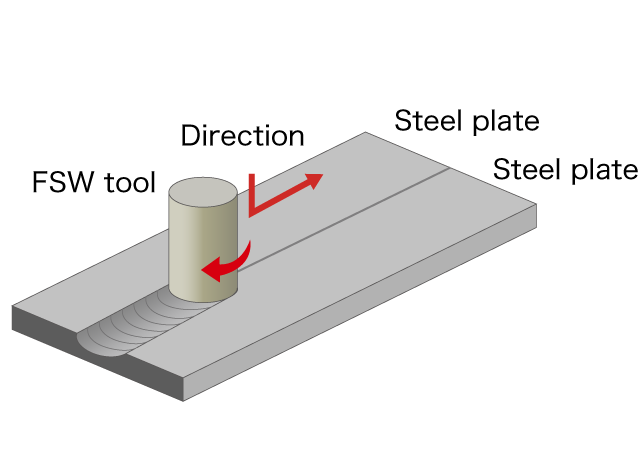
Friction Stir Welding (FSW) is a solid‑state joining process developed in the UK in 1991. A rotating tool generates frictional heat and plastic flow, forming a high‑strength joint without melting the base materials.

Unlike fusion welding, FSW does not melt the base materials, resulting in minimal distortion, refined grain structure, excellent joint strength, and improved energy efficiency.

FSW Application

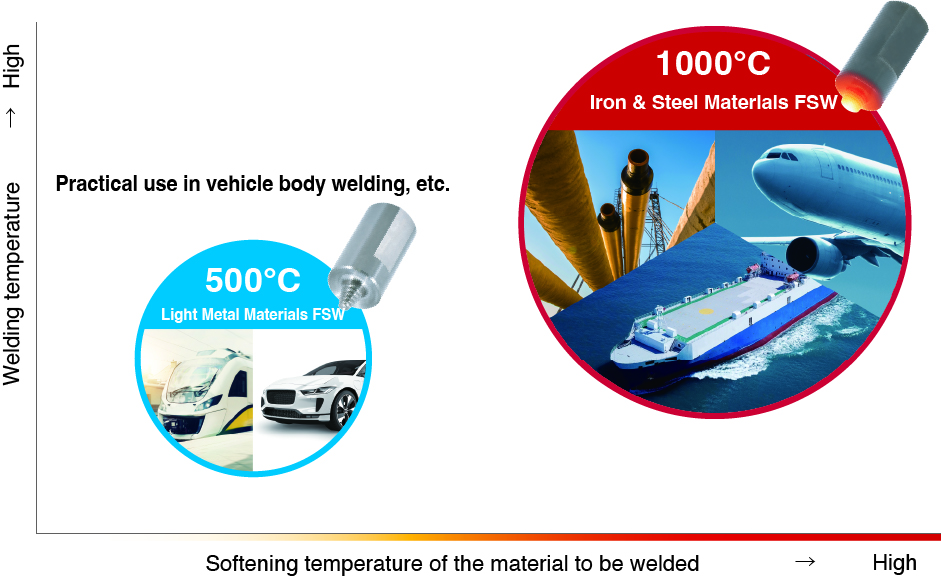
While welding technologies for aluminum alloys are advancing in vehicle manufacturing, iron/steel materials pose challenges due to their high softening temperatures and the limited availability of cost-effective, high-temperature-resistant tools.

NTK CUTTING TOOLS is driving progress in Friction Stir Welding (FSW) for these materials by utilizing its expertise in ceramic materials and advanced technologies.

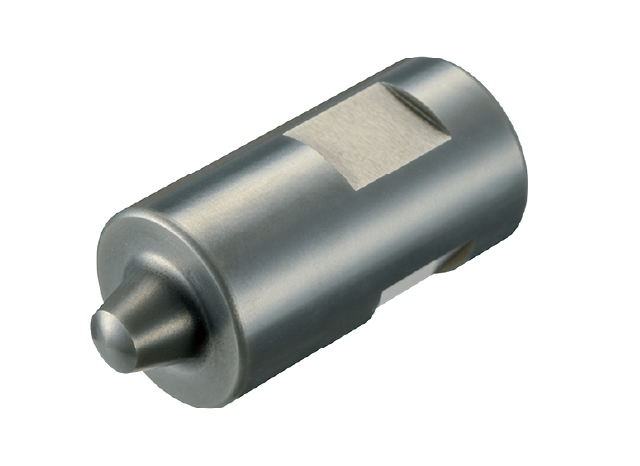
Ceramic FSW tools for ferrous metals
  • High wear and heat resistance enabled by high-strength of Sialon ceramics.
  • Capable of welding thick plates up to 100 mm 3.94 inch or more.
  • More cost‑effective than CBN tools for suitable applications
 Tool lifeTool cost
NTK Ceramicsâ—‹â—Ž
CBN typeâ—ŽĂ—
CarbidesProcessing not possible
(tool melting)
HSSProcessing not possible
(tool melting)

*Ferrous metals: steel, stainless steel, copper

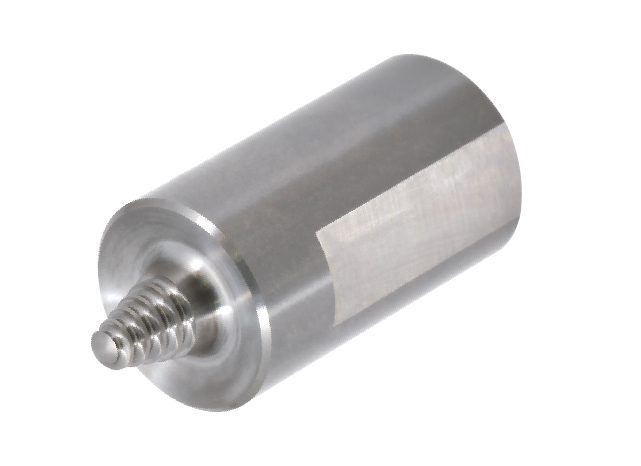
Carbide FSW tools for Non-ferrous metals
  • Carbide tools are also available for friction stir welding of low melting point metals.
Line Welding conditions guideline Rotation speed
(min-1)
1000 – 2000
Welding speed
(mm/min) (SFM)
1000 – 2000 3.3 – 6.6
Application Fields
  • Steel industry : Friction stir welding of thick steel plates
  • Automotive : Joining of high‑tensile steel and dissimilar materials to reduce vehicle weight and improve safety
  • Joining of dissimilar materials such as aluminum alloys and other non-ferrous metals with ferrous metals
Specification
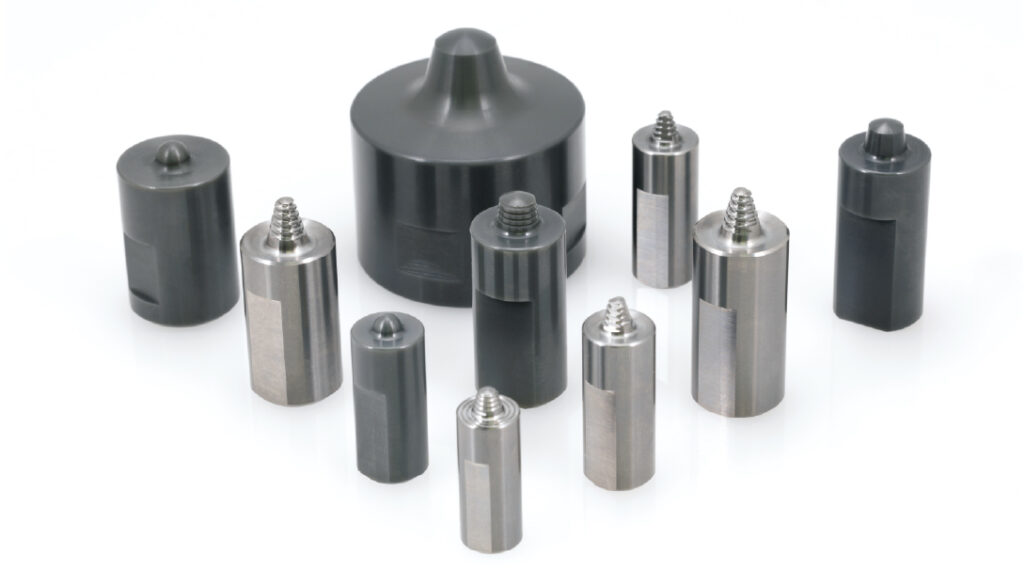
Tool MaterialsHigh Strength SiAlON Ceramics
Fine particle cemented carbide
Shank dia.

⌀ 8, 10, 12, 16, 20mm .320, .400, .472, .630, 787inches

*Availability larger than ⌀ 20 mm .787” is available,

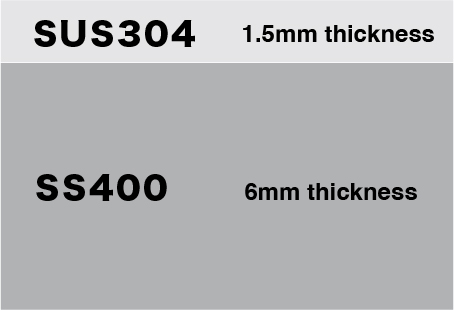
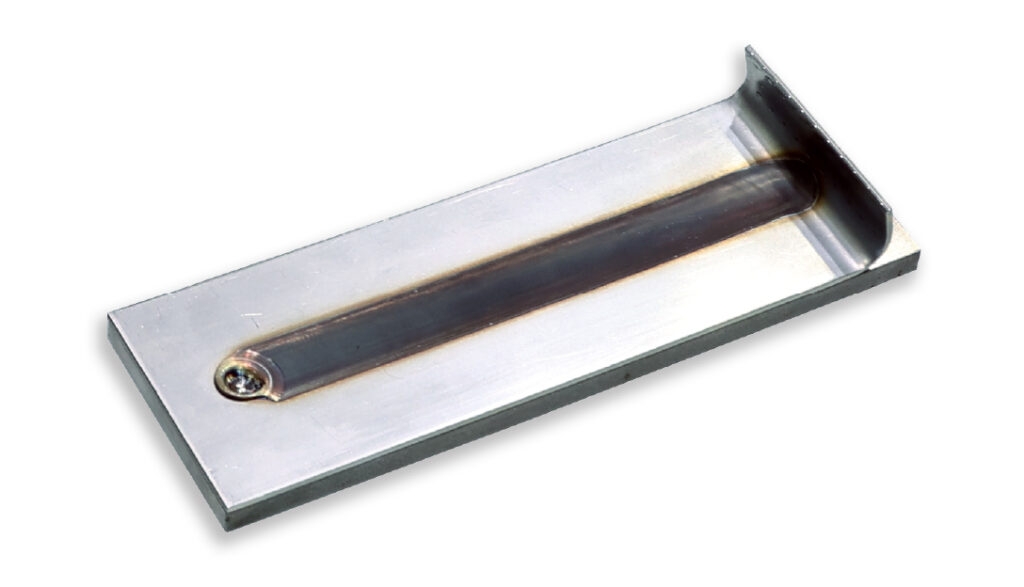
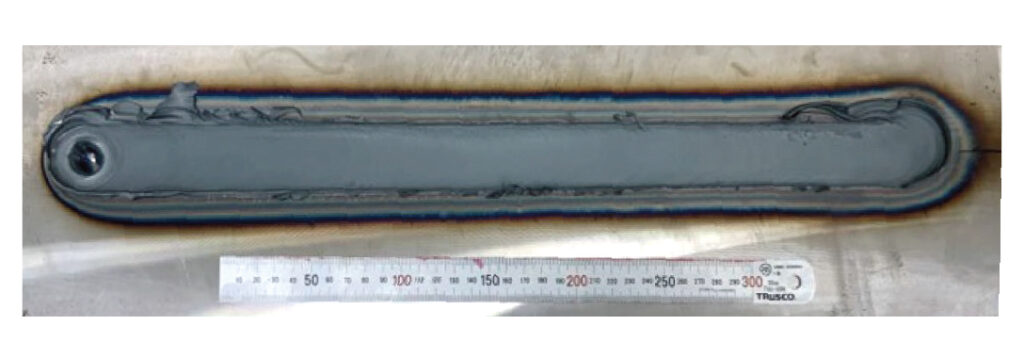
Overlap Welding of SS400 and SUS304 304SS Corrosion-resistant steel plate assumed workpiece

Previously, SUS was sprayed onto steel to improve surface performance.
These materials can now be easily joined using FSW.

High-tensile steel
Welding method Line welding
Welding
material
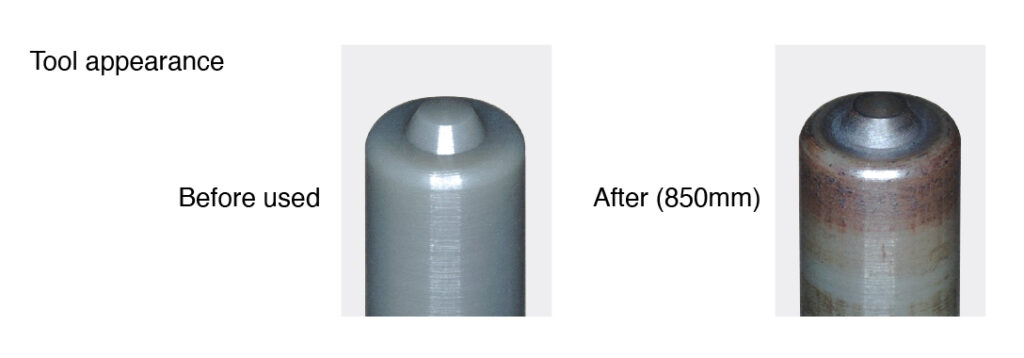
Material SPFC980
(High-tensile980MPa)
Thickness (mm) (inch) 1.2 .047
Tool shape Shank Dia. (mm) (inch) ⌀ 6 .236
Shoulder Dia. (mm) (inch) ⌀ 6 .236
Probe Dia. (mm) (inch) ⌀ 3 .120
Probe length (mm) (inch) 0.9 .035
Welding
conditions
Rotation speed
(min-1)
1000
Welding speed
(mm/min) (SFM)
100 .328
Welding distance (mm) (inch) 850 33.5
Thick steel plate
Welding method Line welding
Welding
material
Material Low carbon steel
Thickness (mm) (inch) 15 .60
Tool shape Shank Dia. (mm) (inch) ⌀ 37.5 1.48
Shoulder Dia. (mm) (inch) ⌀ 37.5 1.48
Probe Dia. (mm) (inch) ⌀ 18.5 .728
Probe length (mm) (inch) 14.7 .579
Welding
conditions
Rotation speed
(min-1)
200
Welding speed
(mm/min) (SFM)
50 .164
Welding distance (mm) (inch) 500 19.7
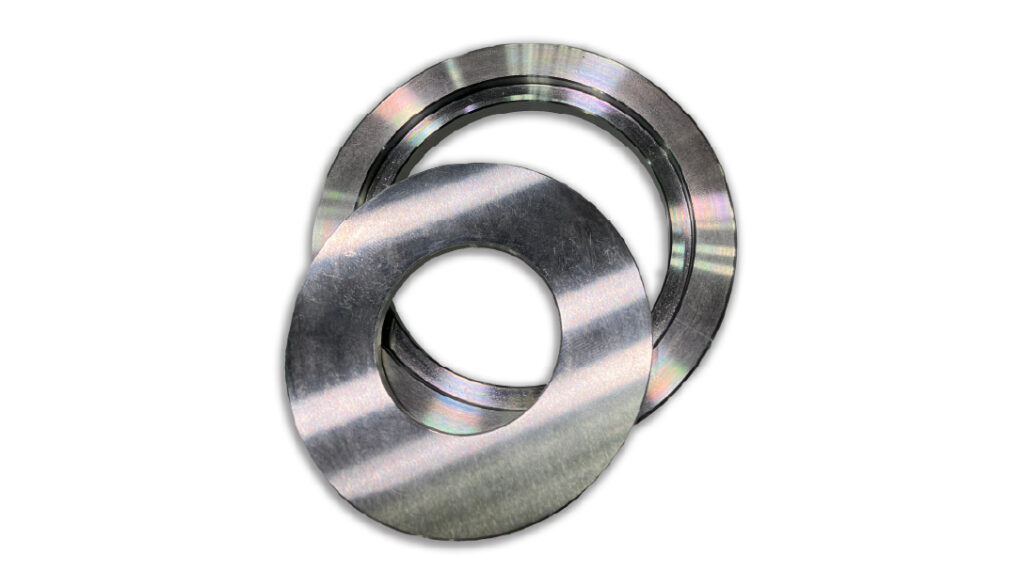
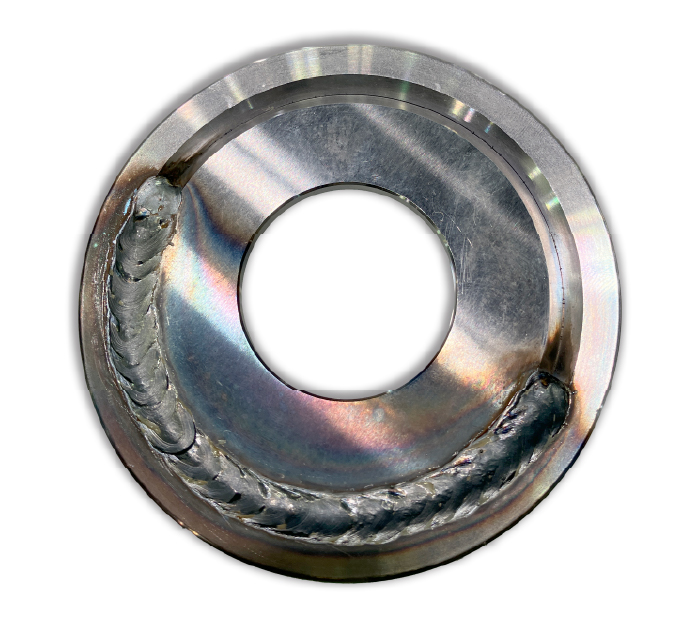
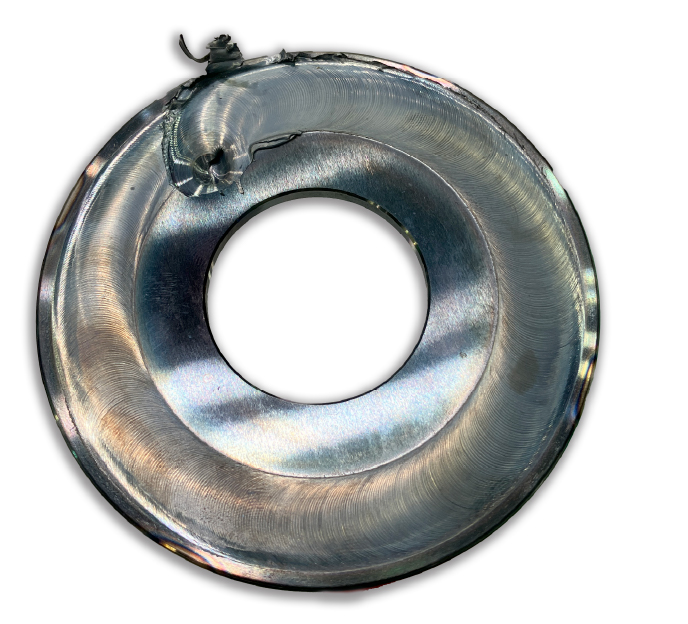
S45C cooling pipe assumed workpiece

Before Welding

Conventional method – Welding

FSW (friction stir welding)

Joining without melting the base material, with minimal post-Welding deformation.

Related News
April 24, 2025
NTK’s ceramic tools for friction stir welding (FSW) provide superior heat resistance, wear durability, and ...

For more information about this product, visit our online e-catalog, or download the catalog/product report

About
Solutions & Products